
Plantar Fasciitis Thebarton
Guiding you towards better movement, step by step.
Plantar Fasciitis Treatment Thebarton
Plantar fasciitis, a common source of heel pain, is often associated with running and excess weight, but can affect anyone regardless of activity level.
We regularly assist those from Thebarton with plantar fasciitis at SA Running Injury Clinic, with treatment available at our clinics.

What is Plantar Fasciitis?
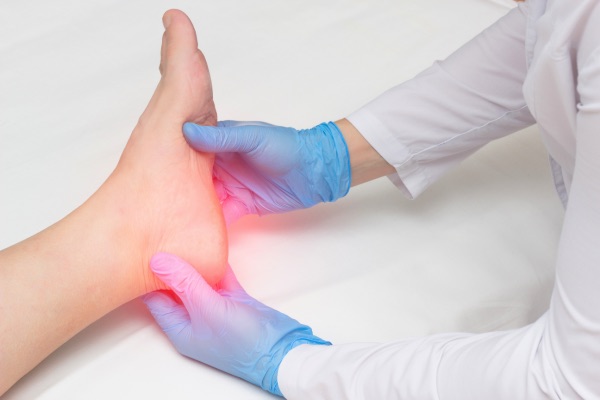
Inflammation of the plantar fascia, a thick tissue band connecting your heel bone to your toes, leads to pain known as plantar fasciitis.
What are the Symptoms of Plantar Fasciitis?
The most common symptoms of plantar fasciitis include:
- Sharp pain in your feet, typically felt with the first steps in the morning.
- Discomfort in the bottom area of your foot.
- Heel pain that continues during regular daily activities.
- Pain that worsens after physical activity.
- Flexing your foot may increase pain, while pointing your toes down can relieve it.
Causes of Plantar Fasciitis and Heel Pain
Plantar fasciitis is caused by inflammation of the plantar fascia, which may occur due to:
- Overusing your feet
- Stress on the heel bone from physical activities like running, dancing, and aerobics may result in plantar fasciitis.
- Overstretching
- A high arch in your foot
- Low arches
- Pregnancy
- Being middle aged or older
- Being overweight
- Standing for long periods or spending much time on your feet
- Tight calf muscles
- Wearing footwear with poor arch support or stiff soles
Experience a better quality of life through plantar fasciitis treatment at SA Running Injury Clinic.
Plantar Fasciitis Treatment Options
Home Treatments
For those with plantar fasciitis, rest, icing, and anti-inflammatory medications are commonly the first steps in treatment.
Physical Therapy
Stretching exercises for the plantar fascia and Achilles tendon through physical therapy can enhance lower leg strength and improve plantar fasciitis.
Night splints
Wearing a splint overnight can keep the plantar fascia stretched, assisting in the lengthening of the ligament.
Orthotics
Wearing custom-fitted arch supports, or orthotics, can help reduce pressure on the plantar fascia by distributing pressure more evenly across the feet.
Shock wave therapy
In shock wave therapy, sound waves target the painful area to support healing, usually when conservative treatments have not provided relief.
Walking boot, cane, or crutches
Using a walking boot, cane, or crutches for a short time can help reduce the pressure on your foot.
Frequently Asked Questions
Plantar fasciitis occurs when the plantar fascia, a ligament at the bottom of your feet, becomes inflamed, leading to pain when standing after rest or physical activity.
Plantar fasciitis pain can be triggered by standing up or walking first thing in the morning, after long periods of standing, or when rising from sitting. Contributing factors include footwear, foot structure, and the surfaces you walk or run on.
Plantar fasciitis may worsen with excess body weight, as it increases pressure on the plantar fascia. Other factors include ill-fitting shoes, high-impact activities, and standing for long periods.
Plantar fasciitis can be managed by seeing a podiatrist, a healthcare professional specialising in foot care.
If left untreated, plantar fasciitis may cause you to change your walking pattern to reduce pain, potentially leading to discomfort in other areas such as your legs, knees, hips, and back. It can also result in a plantar rupture, requiring prolonged rest.
Resting, stretching, massage, and ice packs are all helpful home treatments that can quickly relieve pain. Holding an ice pack wrapped in a cloth on the affected area for 15 minutes several times a day can provide fast relief.
Plantar fasciitis can occur gradually or suddenly.
Pain from sitting or lying down can be temporarily relieved by walking, but it often returns and becomes more intense later in the day.
Plantar fasciitis typically causes the most pain in the morning, and without treatment, it can lead to prolonged discomfort that may last all day.
The recovery time for plantar fasciitis can range from three to 12 months, influenced by your activity levels and the effectiveness of any at-home treatments.
While plantar fasciitis can improve naturally, the recovery process is much slower without proper treatment.
Book Your Podiatry Appointment
Foot pain, even if you're not an athlete, can disrupt daily activities. If you're feeling pain at the bottom of your feet, it may be plantar fasciitis, which can worsen if untreated. Reach out to our team at SA Running Injury Clinic to book your appointment for Adelaide plantar fasciitis care.
_________________________________________________________________________
You can book your appointment with SA Running Injury Clinic either online or by phone. We have two clinics available for your convenience.
We welcome patents from Eastwood, North Adelaide, Walkerville, Parkside, Norwood, Glenside, Prospect, Unley, St Peters, Burnside, Brompton, Thebarton, Mile End, Myrtle Bank, Fullarton, Highgate, Glenunga and nearby areas.